




What to Measure Before and After an HVAC Controls Upgrade
An HVAC controls upgrade should be evaluated against the problems it was intended to solve. For one building, that may mean reducing equipment operation outside occupied hours. For another, it may mean addressing recurring hot and cold complaints, improving visibility, or reducing energy use.
A lower utility bill is useful information, but it is not a complete performance assessment. Weather, occupancy, operating hours, and other changes can affect energy use independently of the controls project. The U.S. Department of Energy’s measurement and verification guidance explains that savings are determined by comparing baseline and post-installation energy use while accounting for relevant changes in conditions.
Before the upgrade begins, establish what you will measure, where the data will come from, and how you will compare results. That gives facilities, operations, and finance teams a shared basis for evaluating the project.
The Short Answer: Measure Energy, Comfort, and Operation Together
Before and after an HVAC controls upgrade, track:
Energy consumption and utility costs separately.
Equipment schedules, setpoints, and runtime where available.
Zone temperatures, humidity, and recurring comfort complaints.
Indoor air quality readings where appropriate sensors are installed.
Maintenance requests, overrides, and staff interventions.
Weather, occupancy, operating hours, and other changes that affect the comparison.
Use the same measurement boundaries and definitions before and after installation. For formal energy-savings verification, select a project-specific measurement and verification approach rather than treating a simple bill comparison as proof of savings. DOE guidance distinguishes system-level measurement from whole-building analysis and calibrated simulation.
If you are still deciding where to begin, start with How to Prioritize Building Automation Upgrades for Commercial Facilities.
1. Establish a Baseline Before Controls Change
A baseline is a record of how the building or HVAC system performed before the upgrade. It should describe both energy use and the conditions under which that energy was used.
DOE recommends reviewing utility bills from the previous 12–36 months to identify anomalies and seasonal variation. It also states that the measurement period should be sufficient to capture the range of operating conditions relevant to the project. That does not mean every project needs three years of new monitoring before work can begin; existing bills and available operating records can help establish the starting point.
A practical baseline should include:
Electricity and heating-fuel consumption.
Utility costs and applicable demand charges.
Building use, occupied hours, and occupancy patterns.
HVAC equipment inventory and known mechanical issues.
Existing schedules, setpoints, and override practices.
Available temperature, humidity, equipment, and sensor trends.
Comfort complaints and maintenance history.
Other planned building improvements.
Your baseline also needs a clear measurement boundary: are you evaluating a specific rooftop unit, a group of HVAC systems, or the entire building?
DOE distinguishes between whole-building and equipment-level measurement approaches, which answer different questions about project performance. Whole-building analysis evaluates overall facility energy use, while equipment-level approaches focus on the affected equipment or system.
A Practical Before-and-After Checklist
The following is a planning checklist, not a formal measurement and verification protocol. Select the items that match your project scope and available data.
| Measurement Area | Before the upgrade | After the upgrade |
| Energy consumption | Record electricity and fuel use; identify the meters and systems included | Compare use using the agreed method and relevant adjustments |
| Utility cost | Record bills, rate structure, and demand charges where applicable | Separate changes in consumption from changes in rate and charges |
| HVAC operation | Document schedules, setpoints, runtime, and overrides where available | Check whether equipment follows the intended operating strategy |
| Comfort | Record zone conditions and recurring complaints | Review comparable occupied periods and locations |
| IAQ monitoring | Identify installed sensors and available readings | Review the same indicators with occupancy and operating context |
| Maintenance and staff effort | Log service calls, interventions, and troubleshooting time | Use the same categories to compare operational workload |
| Operating conditions | Document weather, occupancy, hours, and major building changes | Maintain a change log so comparisons remain interpretable |
DOE identifies equipment conditions, schedules, control strategies, weather, and other operating factors as important baseline information. Your existing 75F upgrade-prioritization guide also recommends capturing comfort issues, maintenance history, schedules, and overrides.
2. Separate Energy Savings From Utility-Cost Savings
Energy consumption describes how much energy the building uses. Utility cost describes what the building pays for it. The two are related, but they are not interchangeable.
For electricity, energy consumption is commonly tracked in kilowatt-hours, while demand is tracked in kilowatts. A bill may include consumption charges, demand charges, and other components. DOE’s guidance treats energy, demand, and cost savings as distinct elements of a performance assessment.
To make the distinction clear, report:
Electricity consumption.
Heating-fuel consumption, using the units shown on the bill.
Peak electrical demand, where applicable.
Actual utility expenditure.
Energy-cost savings calculated using an agreed rate basis, if part of the evaluation.
Do not use a percentage reduction in energy cost as though it were the same percentage reduction in energy consumption.
Likewise, do not describe a reduction measured at the building’s main meter as an HVAC-only reduction. The scope of the claim should match the scope of the measurement.
3. Account for Weather, Occupancy, and Operating Changes
A cooler summer can reduce cooling needs. Longer operating hours or increased occupancy can increase energy use. These changes can affect the apparent result of a controls upgrade.
DOE’s measurement and verification guidance calls for adjustments when operating conditions differ between the baseline and performance periods. Weather is a common adjustment variable; changes in occupancy, operating hours, facility use, and other loads may also need to be considered.
Maintain a simple change log that records:
Changes to occupied hours or tenant schedules.
Significant changes in occupancy.
Renovations or changes in usable space.
New equipment or major plug loads.
HVAC repairs and equipment replacements.
Other efficiency projects completed during the reporting period.
Weather normalization means adjusting the analysis to account for differences in weather. It helps make energy comparisons more meaningful, but it does not remove the need to document other changes.
If lighting, equipment, and controls are upgraded together, a whole-building result may reflect their combined impact. DOE notes that whole-building verification does not isolate the performance of individual measures.
4. Check Whether HVAC Equipment Operates as Intended
Energy data shows the outcome. Controls and equipment data can help explain how that outcome occurred.
For the systems included in your project, review available information such as:
Occupied and unoccupied schedules.
Heating and cooling setpoints.
Equipment operating status and runtime.
Manual overrides.
Relevant alarms and unresolved issues.
Compare those records with the commissioned operating strategy. A change in runtime can be useful evidence of an operational change, but runtime alone is not a complete energy-savings calculation. DOE explains that savings depend on both equipment performance and usage.
75F’s Facilisight building management software supports schedule editing, trend graphs, alerts, and customizable dashboards using data points available in the 75F system. These capabilities can help facilities teams review operating patterns alongside utility and metering information.
Available data depends on the installed equipment, sensors, integrations, and project scope. Confirm the required measurement points before finalizing the upgrade.
5. Track Comfort and Indoor Conditions Alongside Energy
The evaluation should also answer whether the building is meeting its intended operating conditions.
Choose representative zones and use consistent definitions before and after the project. For a practical operational review, consider:
Temperature trends during occupied hours.
Time outside the building’s agreed temperature targets.
Relative humidity where measured.
Recurring hot or cold complaints.
Differences between problem zones and other occupied spaces.
IAQ sensor trends where appropriate sensing is installed.
Record sensor locations and any changes in measurement coverage. If new sensors are installed during the upgrade, do not present the new data as a direct before-and-after comparison unless a comparable baseline exists.
75F’s commercial sensors and controllers include options for temperature, humidity, occupancy, and indoor air quality sensing. HyperStat combines thermostat and humidistat functions with built-in sensing, while Facilisight provides access to available system data through graphs and dashboards.
Treat these readings as part of an operational assessment. Do not label a limited sensor dashboard as proof of comprehensive indoor air quality or standards compliance.
6. Document Maintenance and Facilities-Team Workload
Your existing upgrade-prioritization guide treats recurring comfort calls, emergency service requests, manual overrides, and staff effort as relevant operational problems. Carry those same categories into the post-upgrade review.
A simple tracking log can include:
Comfort-related tickets.
HVAC service calls.
After-hours interventions.
Manual schedule and setpoint changes.
Time spent diagnosing recurring issues.
Remote troubleshooting versus site visits.
Keep the categories and reporting periods consistent.
A reduction in service calls may be a valuable operational result, but do not automatically convert it into financial savings. If staff-time or maintenance savings are part of the business case, document how they were calculated and distinguish avoided costs from actual reductions in expenditure.
A Documented Example: HOM Furniture
HOM Furniture’s Plymouth, Minnesota, showroom offers a useful example of reporting energy consumption and financial results separately.
According to 75F’s published case study, the 180,000-square-foot retail facility upgraded controls on existing rooftop equipment. The project included Outside Air Optimization economizer controls, sensor upgrades, remote monitoring and control, and scheduling and setback capabilities. HOM used EnergyPrint’s Utility Dashboard to benchmark the building and monitor progress.
The case study reports the following first-year results:
| Reported measure | Result |
| Energy consumption | 21.4% reduction |
| Energy costs | 21.1% reduction |
| Financial savings | More than $49,700 |
These are results reported for that specific customer project—not a guaranteed outcome for other buildings. The published page describes the use of EnergyPrint for benchmarking and validation but does not provide a complete measurement and verification methodology.
The useful lesson is the reporting structure: distinguish consumption from cost, identify the project scope, and explain where the supporting data came from.
Read the HOM Furniture case study.
Create a Reporting Plan Before Go-Live
Before installation, agree on:
The problems the upgrade is intended to address.
The measurement boundary and selected metrics.
The baseline and post-installation reporting periods.
The data sources and any additional metering needed.
How changes in weather and operation will be handled.
Who will review results and act on unresolved issues.
DOE’s guidance recommends developing a project-specific measurement and verification plan, commissioning the installed systems, conducting post-installation verification, and reviewing performance at regular intervals. The level of rigor should be appropriate to the project’s investment and savings risk.
For ongoing operations, a monthly review of bills, trends, and recurring issues can provide a practical reporting rhythm. That is an operational recommendation—not a universal verification requirement. A qualified measurement and verification professional should determine the method and reporting period needed for contractual or formally verified savings claims.
Frequently Asked Questions
What should I measure before an HVAC controls upgrade?
Record energy consumption, utility costs, equipment schedules, setpoints, available system trends, comfort complaints, and relevant operating conditions. Establish whether the evaluation covers individual HVAC systems or the whole building.
Can I verify savings by comparing utility bills?
Utility bills can support a whole-building assessment, but an unadjusted comparison may be affected by weather, occupancy, operating hours, and other changes. DOE’s whole-building verification approach considers these factors and does not isolate individual project measures.
How much baseline data do I need?
The measurement period should capture the relevant operating conditions and seasonal variation. DOE recommends reviewing the previous 12–36 months of utility bills, while the amount of system-level monitoring depends on the equipment and verification approach.
Are whole-building savings the same as HVAC savings?
No. Whole-building meters include the loads within their measurement boundary. HVAC-specific results require an appropriate system-level measurement or analysis method. Label the reported savings according to what was actually evaluated.
Can 75F help monitor operating conditions after an upgrade?
75F offers hardware liked commercial sensors, controllers, and thermostats as well as the Facilisight software for viewing available building data, managing schedules, reviewing trends, and monitoring alerts. The specific data available depends on the installed configuration and project scope.
Does a building management dashboard replace formal measurement and verification?
Not by itself. A dashboard can provide useful operating data, but formal savings verification also requires a defined baseline, measurement boundary, calculation method, and appropriate adjustments.
Turn Building Data Into a Clearer Upgrade Evaluation
A useful HVAC controls evaluation connects three questions: did energy performance change, did the building maintain its intended conditions, and did the facilities team gain a more manageable operation?
Start by documenting the baseline and agreeing on how results will be measured. Then combine utility information, available controls data, and operational records to evaluate the project within its actual scope.
Sources
U.S. Department of Energy, Federal Energy Management Program. M&V Guidelines: Measurement and Verification for Performance-Based Contracts, Version 5.0.
U.S. Department of Energy, Federal Energy Management Program. Measurement and Verification Options for Federal Energy- and Water-Saving Projects.
75F. Facilisight.
75F. Devices.
Talk to 75F about your building’s controls, available data, and upgrade goals.






Healthier Buildings Series: Real Estate Strategies in Times of Uncertainty
Commercial real estate is in a completely different landscape today than it was 12 months ago.

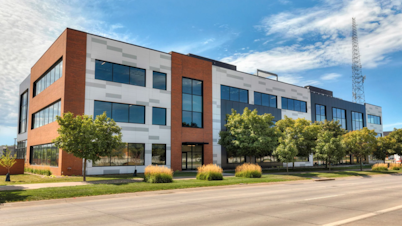
75F Makes IntelliPak RTU Integration Simple in High-End Office Space
Hubbell Realty installed 75F's IoT Building Management System with goals to set a flexible foundation for future building upgrades.